
Find practical guides, tools, procedures and learning resources.
Find practical guides, tools, procedures and learning resources.
The IHR generates over 1.9 million tonnes of waste every year. Managing this in fragile ecosystems requires knowledge that understands the terrain.
In the Indian Himalayan Region, poor waste management can impact fragile ecosystems, water, wildlife, human health and local livelihoods. These impacts can be particularly significant for communities living in or dependent on these environments.
Waste is also closely linked to gender, income, livelihoods, tourism and working conditions. Those who generate waste, those who manage it and those who live with its impacts may experience the problem differently.
| Key Area | Urban Context | Rural Context |
|---|---|---|
|
Waste Generation
|
Higher volumes of waste generated due to dense populations, commercial activity and changing consumption patterns. | Lower volumes overall, but waste is often scattered across dispersed settlements and difficult-to-reach locations. |
|
Waste Composition
|
More mixed waste, packaging, plastics and commercial waste alongside household organic waste. | Higher proportion of biodegradable and locally generated waste, with growing amounts of plastic and packaged materials. |
|
Collection
|
Collection systems may exist, but high population density, narrow streets and inconsistent segregation can reduce efficiency. | Door-to-door collection is more difficult because households can be widely dispersed and routes are longer. |
|
Transportation
|
Traffic congestion, vehicle access and long trips to processing or disposal facilities can increase operational costs. | Mountainous terrain, poor road connectivity and long distances between settlements make transportation expensive. |
|
Infrastructure
|
Land for segregation, processing and disposal facilities may be limited and expensive. | Land may be available, but technical infrastructure, equipment and reliable operating capacity can be limited. |
|
Segregation
|
Large numbers of households, businesses and institutions make consistent source segregation difficult to enforce. | Smaller communities can support local segregation, but awareness, collection systems and access to recyclers may be inconsistent. |
|
Recycling Linkages
|
Better access to scrap dealers, recyclers and material markets, although informal systems may remain fragmented. | Low-value recyclables often need to travel long distances, making transportation and aggregation economically challenging. |
|
Financial Sustainability
|
Large systems require significant spending on staff, vehicles, infrastructure, processing and monitoring. | Smaller waste volumes and scattered populations can make collection and recycling services financially difficult to sustain. |
|
Local Priority
|
Improve segregation, collection efficiency, processing capacity, monitoring and integration of different waste generators. | Develop decentralized, locally appropriate systems that reduce transportation needs and strengthen community participation. |
Waste is anything we discard because it is no longer needed or wanted. But not all waste is the same. Understanding what waste is generated and how it can be classified is the first step towards managing it safely and effectively.
For everyday household waste, four broad categories are commonly considered:
Effective waste management depends on more than infrastructure. It also depends on people understanding, adopting and sustaining new behaviours — from segregating waste at source to reducing litter and participating in community initiatives.
Explore practical communication and behaviour-change resources developed through real-world waste management programmes, including posters, booklets, murals, signboards, campaigns and more.
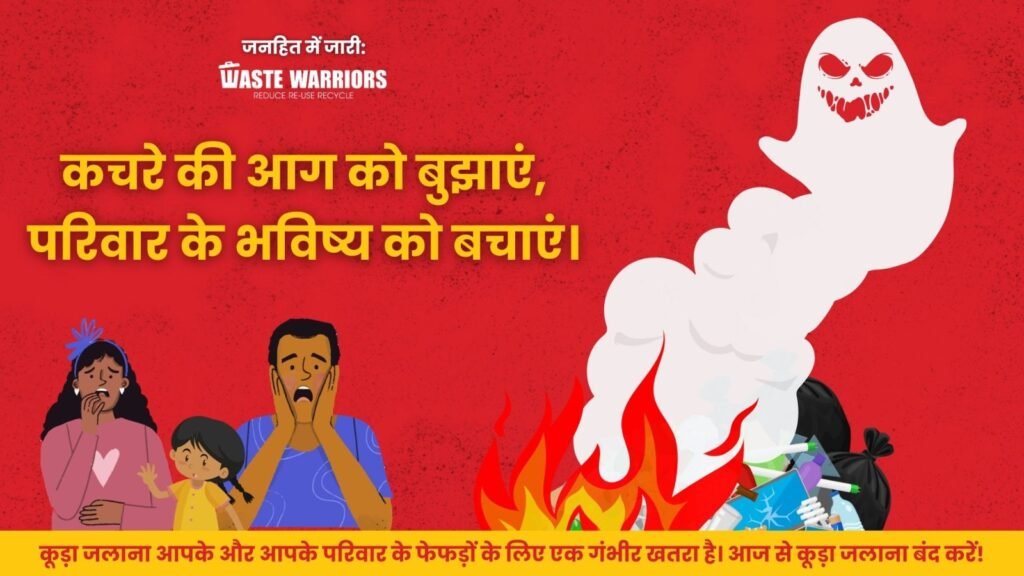
Tools to support better waste segregation, composting and community-led action.

Communication materials to promote low-impact and responsible travel.
Awareness and education resources for healthy and dignified practices.
Engaging materials to build environmental awareness and encourage sustainable habits from a young age.
Short films to inform, inspire and drive collective action for cleaner, healthier mountains.
A system works only when its day-to-day operations are well planned and consistently followed. Clear roles and SOPs turn infrastructure into a service.