Context

Why Waste Management?

Waste management is a critical component of environmental governance and public infrastructure. It determines how materials move through the system after they are discarded, from segregation and collection to transportation, processing, resource recovery and final disposal.

Prevents Environmental and Health Risks

Poorly managed waste can create environmental and public health risks.

Retains Valuable Resources

Mixing recyclable materials with wet waste can contaminate them and reduce their recovery value.

Supports Resource Recovery

Organic waste sent to landfills instead of being composted loses the opportunity to return nutrients to the soil.

Wider Consequences

The impacts extend beyond disposal sites to water and soil quality, ecosystem health, occupational safety, livelihoods and communities living nearby.

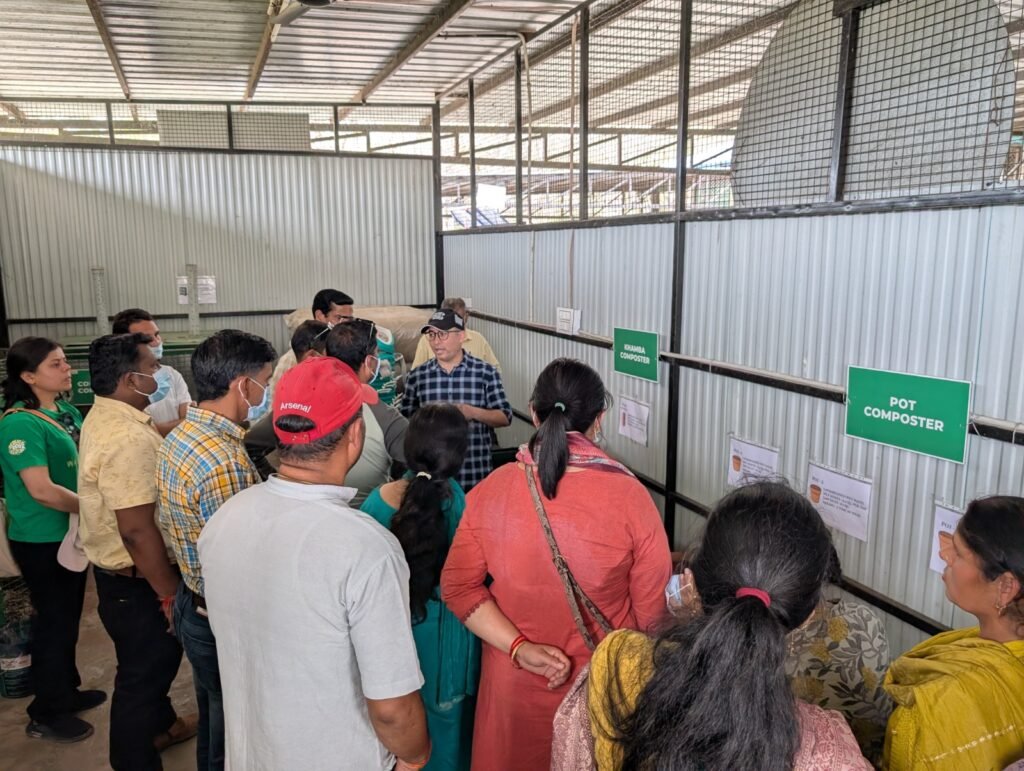
Designing for a Sustainable Future

Effective waste management is therefore not simply about where waste goes. It is about designing systems that minimise waste generation, maximise resource recovery, reduce environmental harm and ensure that the responsibilities and risks associated with waste are appropriately managed.