Build Systems

From Knowledge to Practical Action.

Understanding waste is only the first step. Building an effective waste management system requires translating that knowledge into practical solutions that work in a specific place, for its people and its waste.

This section takes you through the key steps of designing and implementing a waste management system, from assessing the site and choosing the right waste streams to planning infrastructure, setting up operations and ensuring safe and compliant practices.

Explore the tools, processes and practical guidance needed to build waste management systems that are locally appropriate, financially viable and sustainable over time.

The building block

Designing systems that are
locally appropriate and financially viable.

System Design (coming soon)

Every waste management system starts with understanding the place it will serve. Site conditions, waste generation, composition, existing systems and local needs help determine what kind of model will work. This section covers the key steps involved in assessing a site, collecting baseline data, conducting waste audits and designing a system around local realities.
Waste Streams

Specialized Flows for Specific Materials.

Different types of waste require different systems for collection, processing and disposal. Choosing the right approach for each waste stream is essential to keeping materials in the right flow and reducing what ultimately needs disposal.

Explore practical approaches for managing dry, organic, sanitary, hazardous and e-waste.

Infrastructure

Right Facility,
Right Place.

Good waste management needs the right infrastructure in the right place. This includes facilities for collection, storage, sorting, processing and transfer, along with the vehicles and equipment needed to keep the system moving.

This section covers the key infrastructure required for different waste streams and operational needs.

01

Material Recovery Facilities

Sorting and aggregation hubs for non-biodegradable waste.

02

Composting Units

Decentralized and centralized processing for wet waste.

03

Collection Points

Strategic locations for community-level waste aggregation.

Operations

The People and the Process.

A system works only when its day-to-day operations are well planned and consistently followed. Clear roles, collection systems, logistics and standard operating procedures help turn infrastructure into a functioning service.

Roles

Staffing & Responsibilities

Collection

Door-to-door Logistics

SOPs

Operational Procedures

Safety

Occupational Health
Data & Monitoring

Track performance with data that drives better decisions.

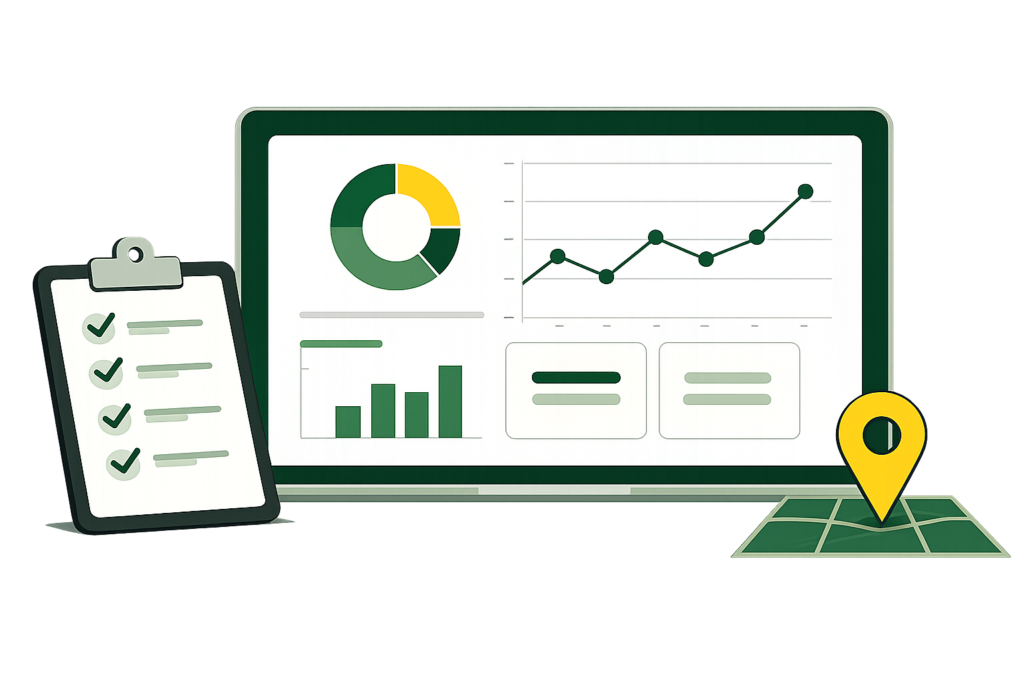
A waste system improves when performance is measured consistently. Build simple monitoring systems that help teams track progress, identify issues, and demonstrate impact.

DATA & MONITORING SYSTEM

Track performance, measure impact and make data-driven decisions.
Good data leads to better decisions. This section helps you set up simple, practical monitoring systems that capture the right information and turn it into insights that improve operations and demonstrate impact.

Key Topics

Key Metrics & KPIs

Dashboards & Visualization

Data Collection Methods

Impact Measurement

Monitoring Framework

GIS Mapping

Reporting Formats

Digital Tools & Apps

Tools & Resources

KPI Library

Data Collection Formats

Dashboard Templates

Monthly Report Template

Data Quality Checklist

Enterprise & NGO Setup

Build solutions that can sustain themselves and scale.

Beyond systems design, communities and organisations need viable business models, partnerships, and implementation support to grow waste solutions over time.

Key Topics

Business Models

Funding & Grants

Revenue Streams

Proposal Writing

Unit Economics

Partnerships & Collaborations

Legal Structure & Registrations

Scaling & Replication

Tools & Resources

Business Model Canvas

Unit Economics Template

Proposal Templates

Funding Directory

Partnership Agreement Template

ENTREPRENEURSHIP & NGO SETUP

Build sustainable enterprises or NGOs around waste solutions.
Strong organisations and business models ensure long-term impact. This section guides you through setting up enterprises or NGOs, accessing funding, and building partnerships that drive growth.

Build for the future.

Access the tools and templates needed to design your waste management system.